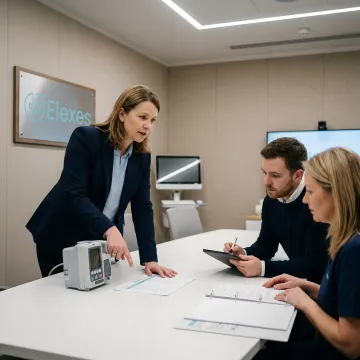
What is medical device training for clinical staff?
Medical device training for clinical staff is structured instruction that helps users operate devices safely, follow approved procedures, document activities correctly, and understand escalation requirements. It often includes hands-on use, workflow guidance, software navigation where applicable, cleaning or maintenance basics, and training records that support quality system expectations in regulated healthcare or laboratory environments.
Who needs clinical staff training on medical devices?
Any team member who uses, supports, monitors, or documents activity related to a medical device may need training. That can include nurses, physicians, technicians, laboratory personnel, clinical educators, and support staff. Training is especially important when introducing new devices, updating software, changing procedures, expanding indications, or preparing teams to work within documented quality and compliance requirements.
Why is medical device training important for compliance?
Training helps organizations show that personnel are qualified to perform device-related tasks consistently and safely. In regulated environments, that supports quality system requirements, reduces preventable user errors, strengthens documentation practices, and improves audit readiness. Well-structured training also helps connect frontline use with complaint handling, post-market surveillance awareness, and controlled procedure adherence.
What topics are usually included in medical device training?
Most programs cover intended use, contraindications, setup, operation, alarms, troubleshooting, cleaning, documentation, and escalation steps. Depending on the device, training may also include software workflows, cybersecurity awareness, data integrity, HIPAA-related handling, labeling or IFU interpretation, and role-specific responsibilities under the organization’s quality management system. The exact scope should match the device and user group.
Can training be customized for different clinical roles?
Yes. Effective medical device training should be tailored to the responsibilities of each audience. A nurse, biomedical technician, lab user, and administrator may interact with the same device differently, so their training should reflect those tasks. Role-based training improves retention, reduces unnecessary content, and helps organizations maintain clearer competency records tied to actual job functions.
How often should clinical staff be retrained on a medical device?
Retraining is commonly needed when there is a device update, software change, revised procedure, new risk information, recurring user error trend, or a gap identified during audit or quality review. Many organizations also schedule periodic refresher training to maintain competency. A documented retraining cadence helps keep staff aligned with current instructions, controlled documents, and operational expectations.
How do training records support audits and inspections?
Training records provide evidence that staff were trained on the correct procedure or device version, completed required instruction, and were qualified before performing critical tasks. During audits or inspections, reviewers often look for traceable records, dates, version control, and role alignment. Strong records help demonstrate that training is active, controlled, and integrated into the quality system.
Can Elexes support training for software-based and connected devices?
Yes. Elexes supports regulated environments that use software-driven and connected technologies, including SaMD-related workflows and digital systems where data integrity matters. Training support can address software use, documentation expectations, workflow consistency, and compliance considerations tied to standards such as IEC 62304, HIPAA-aware handling, and broader quality system requirements relevant to the device environment.